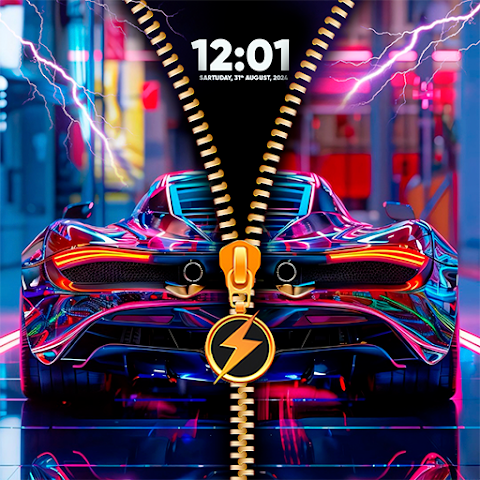
Smartphones have become extensions of our personality, and the lock screen is often the first thing we see. Many Android users look for creative ways to make their device stand out. One popular choice is the zipper lock screen combined with custom wallpapers. This interactive style turns unlocking your phone into a fun, tactile experience while offering fresh visual appeal.
In this comprehensive guide, we’ll explore what zipper lock screens are, their key features, how they work, advantages and potential drawbacks, practical tips for using them effectively, common mistakes to avoid, and answers to frequently asked questions. Whether you’re new to Android customization or looking to refine your setup, this article provides clear, actionable insights to help you make informed choices.
What is Zipper Lock Screen & Wallpaper?
A zipper lock screen is a customization feature available through various Android apps that replaces or overlays the standard unlock mechanism with a realistic zipper animation. Users “pull” a virtual zipper across the screen to unlock the device, often accompanied by sound effects and smooth transitions that mimic opening a jacket or bag.
These apps typically pair the zipper effect with high-quality wallpapers, including static images, live wallpapers, and themed collections. Themes might range from nature and abstract designs to pop culture, neon, or minimalist styles. The combination creates a dynamic first impression every time you wake your phone.
Unlike basic pattern or PIN locks, zipper screens add a layer of visual engagement. They build on Android’s flexible customization options, allowing users to personalize not just the background but the interaction method itself. Many include additional elements like customizable clocks, battery indicators, and notifications that blend seamlessly with the chosen wallpaper.
This type of lock screen appeals especially to users who want something beyond stock Android or manufacturer defaults. It transforms a routine action—unlocking the phone—into something enjoyable while maintaining core security features when properly configured.
Key Features and Benefits
Zipper lock screen and wallpaper solutions typically offer several standout features that enhance both aesthetics and usability:
- Realistic Zipper Animation: Smooth, responsive swiping mechanics with detailed textures and shadows. Many versions include multiple zipper styles, colors, and directions (vertical or horizontal) for variety.
- Extensive Wallpaper Collection: Access to high-definition static and live wallpapers. Categories often include nature, cars, superheroes, abstract art, seasonal themes, and user-uploaded or customizable options.
- Customization Options: Change zipper puller designs, fabric textures, colors, and overlay elements. Adjust clock fonts, sizes, positions, and notification styles to match the wallpaper perfectly.
- Sound Effects: Optional realistic zipper sounds or melodies that can be toggled. These add immersion without being intrusive.
- Security Layers: Many support PIN, pattern, or fingerprint integration as backups. The zipper serves as the primary visual unlock but works alongside Android’s built-in security.
- Battery and Performance Optimization: Well-designed apps minimize resource usage, though this varies. Features like auto-brightness adjustment or low-power modes for the lock screen help preserve battery life.
- Live Wallpaper Integration: Moving elements such as subtle animations, particles, or weather-reactive backgrounds that respond to time of day or device orientation.
Benefits extend beyond looks. They can make your device feel more personal and engaging. For creative individuals, matching zipper styles to wallpapers fosters self-expression. Parents might appreciate kid-friendly themes, while professionals can opt for sleek, sophisticated designs that project a polished image.
The interactive nature can also serve as a gentle reminder to slow down during busy days—turning a quick unlock into a small moment of delight.
How It Works
Understanding the mechanics helps you get the most out of zipper lock screens:
- Installation and Activation: Search for relevant apps on the Google Play Store. After installing, grant necessary permissions like overlay display and accessibility services so the custom screen can function properly.
- Selecting Wallpaper: Browse and choose a background. High-resolution images work best to avoid pixelation on modern displays. Some apps allow direct gallery imports or editing tools to crop and adjust images.
- Customizing the Zipper: Pick a zipper design, color scheme, and position. Preview changes in real-time to see how it interacts with the wallpaper and other elements like the clock.
- Setting Security: Configure a backup PIN or pattern. Test the full unlock flow to ensure smooth operation.
- Applying and Testing: Activate the lock screen. Lock your device manually or wait for timeout, then practice unzipping. Check performance across different conditions—low light, landscape mode, or with notifications present.
- Fine-Tuning: Adjust sensitivity, animation speed, and visibility of status bar icons. Disable unnecessary features if you notice any impact on battery or responsiveness.
The process is generally straightforward and reversible. Android allows easy switching back to default lock screens through settings if needed.
Advantages and Limitations
Advantages:
- Uniqueness: Stands out from standard swipe or fingerprint unlocks, giving your phone a signature style.
- Creative Freedom: Endless combinations of wallpapers and zipper designs keep things fresh.
- Engagement: Fun factor can make daily interactions more enjoyable.
- Thematic Consistency: Pair with home screen icons and widgets for a cohesive look.
- Accessibility Features: Some versions offer larger zipper pulls or high-contrast modes for easier use.
Limitations:
- Resource Usage: Custom animations and live wallpapers can consume more battery and RAM compared to static options, especially on older devices.
- Security Considerations: Third-party lock screens may not integrate as deeply with Android’s security model as built-in options. Always use them alongside strong PIN/biometrics rather than relying solely on the zipper gesture.
- Ads and Permissions: Free versions often include advertisements, which can appear on the lock screen or during setup. Review permissions carefully to avoid overly intrusive apps.
- Compatibility Issues: Not all apps work flawlessly on every Android version or device brand due to manufacturer customizations (like Samsung One UI or Xiaomi MIUI).
- Learning Curve: New users might find the gesture slightly less convenient than simple swipes initially.
Being aware of these helps you choose wisely and manage expectations.
Best Practices and Tips
To maximize enjoyment and performance:
- Choose High-Quality Assets: Opt for wallpapers optimized for your screen resolution and aspect ratio. Test in both portrait and landscape if your device supports it.
- Balance Aesthetics and Functionality: Ensure the zipper doesn’t obscure important notifications or clock. Keep critical information visible at a glance.
- Monitor Battery Life: After setup, use Android’s battery stats to check impact. Disable live elements or reduce animation quality if needed.
- Regular Updates: Keep the app and Android OS updated for better compatibility and security patches.
- Theming Strategy: Create seasonal or mood-based setups. For example, calming nature wallpapers with soft zipper tones for mornings, or energetic designs for evenings.
- Backup Your Settings: Note your preferred configurations in case you need to reinstall or switch devices.
- Combine with Other Customizations: Use matching icon packs, launchers, and widgets for a complete personalized experience.
- Test Thoroughly: Simulate real-world use—incoming calls, alarms, quick glances—to ensure reliability.
Experiment gradually. Start with simple changes before diving into complex live wallpapers.
Common Mistakes to Avoid
Many users run into avoidable issues:
- Skipping security backups and relying only on the zipper gesture.
- Ignoring battery drain by leaving high-resource live wallpapers active constantly.
- Installing apps from untrusted sources instead of the official Play Store.
- Over-customizing to the point where the lock screen becomes cluttered or slow.
- Neglecting to test on different lighting conditions or with a screen protector, which can affect touch sensitivity.
- Forgetting to disable the custom lock screen before uninstalling the app, potentially causing temporary access issues.
Avoid these by approaching customization methodically and prioritizing security and performance.
Frequently Asked Questions
Is a zipper lock screen secure? It adds visual appeal but should not be your only security measure. Combine it with Android’s built-in PIN, pattern, fingerprint, or face unlock for proper protection. Treat the zipper primarily as a fun interface rather than a standalone safeguard.
Will it slow down my phone? On modern devices with sufficient RAM, impact is usually minimal. Older phones or those with heavy live wallpapers may experience slight lag or higher battery use. Monitor performance and adjust settings accordingly.
Can I use my own photos as wallpaper? Yes, most solutions support gallery imports. Ensure images are high resolution and properly cropped for the best results.
How do I switch back to the default lock screen? Go to your device’s Settings > Apps, find the zipper app, and disable its lock screen permissions or uninstall it. Restart your phone if necessary.
Are these apps free? Many are free with optional in-app purchases or ad-supported models. Review details before installing to understand costs and ad frequency.
Do they work on all Android versions? Compatibility varies. Newer Android versions (10+) generally offer better support, but check app descriptions for specific requirements.
Conclusion
Zipper lock screen and wallpaper options provide an engaging way to personalize your Android device. By combining interactive unlocking with beautiful backgrounds, they turn everyday moments into opportunities for self-expression. Understanding the features, setup process, benefits, and limitations empowers you to create a setup that feels right for your lifestyle.
Focus on quality over quantity—select designs that enhance rather than complicate your experience. Prioritize security, performance, and usability as you explore customization. With thoughtful choices, your lock screen can reflect your style while remaining practical.
Ready to refresh your phone’s look? Explore the wide world of Android personalization options available on the Google Play Store and start experimenting today. Your perfect setup is just a few thoughtful adjustments away.