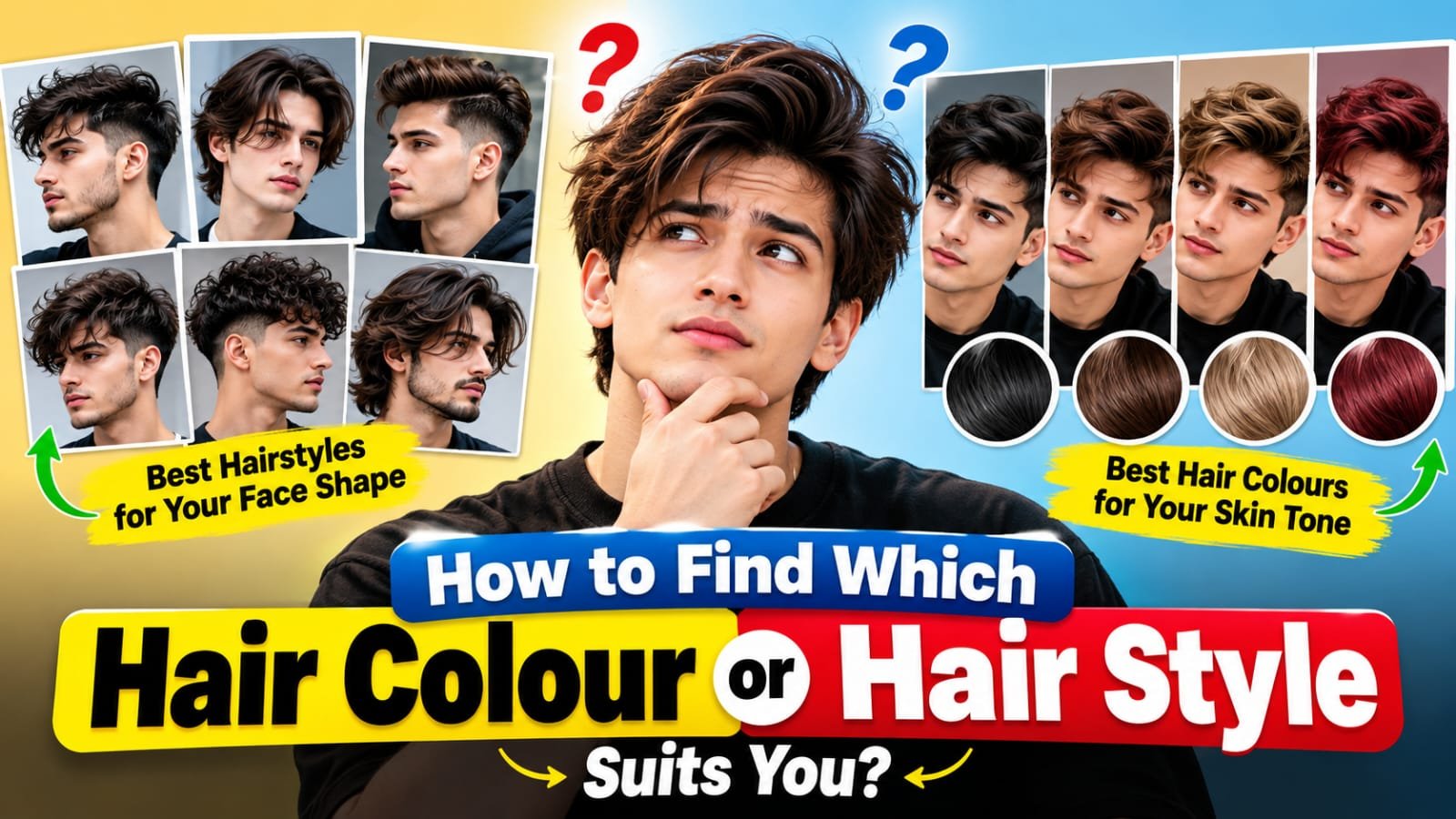
Choosing the right hair colour or hairstyle can completely change your appearance. The right choice can make your facial features look more balanced, complement your skin tone, and give you a more confident and polished look. But with so many colours, cuts, and trends available, how do you know which colour or hairstyle suits you?
The good news is that you do not have to rely entirely on guesswork. By understanding your face shape, skin undertone, hair type, and personal style, you can narrow down the options and find a look that feels natural and flattering.
Why Choosing the Right Hair Style Matters
A hairstyle is more than just a fashion choice. It can influence how your face appears and highlight your strongest features. For example, layers can add movement to long or thick hair, while a well-chosen fringe can change the appearance of the forehead and face shape.
Your lifestyle also matters. A hairstyle that looks great in a salon may require significant daily styling. If you prefer a low-maintenance routine, a practical haircut may be a better choice than a complicated style.
How to Find a Hairstyle That Suits Your Face
Identify Your Face Shape
One of the easiest ways to choose a flattering haircut is to identify your face shape. Common face shapes include:
- Oval: Most hairstyles tend to work well, including layers, bobs, and longer styles.
- Round: Longer layers and styles with volume near the top can create a more elongated appearance.
- Square: Soft layers, waves, and textured hairstyles can help balance stronger facial angles.
- Heart-shaped: Side-swept styles and chin-length layers can complement a wider forehead and narrower chin.
- Long or rectangular: Medium-length styles, waves, and volume around the sides can create better visual balance.
Remember that most people do not fit perfectly into one category. Your face may have characteristics of two different shapes.
Consider Your Hair Type
Your natural hair texture should also influence your decision. Straight, wavy, curly, and coily hair can behave very differently after the same haircut.
For example, a layered cut may create beautiful movement in wavy hair but require more styling on very straight hair. Similarly, curly hair often benefits from cuts designed specifically for curl patterns rather than hairstyles intended for straight hair.
How to Find Which Hair Colour Suits You
Choosing a hair colour is largely about finding shades that complement your skin tone and undertone.
Determine Your Skin Undertone
Your undertone is generally described as warm, cool, or neutral.
- Warm undertones: Golden, peachy, or yellow tones often work well with warm browns, caramel, honey, and golden blonde shades.
- Cool undertones: Pink, reddish, or bluish undertones can complement ash brown, cool blonde, burgundy, and other cooler shades.
- Neutral undertones: People with neutral undertones often have more flexibility and can experiment with both warm and cool colours.
A simple way to get an idea of your undertone is to look at the veins on your wrist in natural light. Greenish-looking veins may indicate a warm undertone, while blue or purple-looking veins may suggest a cool undertone. If it is difficult to tell, you may have a neutral undertone.
Think About Your Eye Colour
Your eye colour can also help when choosing a hair colour. Brown eyes can pair beautifully with chocolate, chestnut, caramel, and other rich shades. Blue or green eyes may stand out against certain blonde, brown, copper, or darker shades.
However, there are no strict rules. Personal preference and the overall combination of your features are more important than following a fixed colour chart.
Use Virtual Hairstyle and Hair Colour Tools
Technology can make the decision easier. Many beauty and hairstyle apps allow you to upload a photo and virtually test different haircuts and colours.
These tools are useful for getting an idea of what you might look like before making a permanent change. However, remember that digital previews are not always perfectly accurate. Lighting, camera quality, and image processing can affect how a colour appears.
Consider Your Lifestyle and Maintenance
Before choosing a new hairstyle or colour, ask yourself how much time you are willing to spend maintaining it.
A dramatic colour transformation may require regular salon appointments and specialized hair care. Similarly, short or highly styled haircuts may need frequent trimming to maintain their shape.
If you want an easy-to-maintain appearance, choose a style that works well with your natural hair texture and grows out gracefully.
Ask a Professional Hairstylist
If you are still unsure, consulting an experienced hairstylist can be one of the best options. A professional can consider your face shape, hair density, texture, skin tone, and lifestyle before recommending a haircut or colour.
Instead of simply showing a celebrity photo and asking for the exact same style, explain what you like about it. Your stylist can then adapt the idea to suit your own features.
Final Takeaway
Finding which colour or hairstyle suits you does not have to be complicated. Start by understanding your face shape, skin undertone, natural hair texture, and lifestyle. Then consider your eye colour, maintenance preferences, and the overall appearance you want to achieve.
Most importantly, do not feel limited by traditional beauty rules. The best hairstyle or hair colour is one that makes you feel confident and comfortable. Use professional advice and virtual tools to explore your options, but let your personality and preferences guide the final decision.
To check please copy this prompt and go to ChatGPT
Analyze my face, skin tone/undertone, contrast, hair, facial hair, proportions and features first. Keep MY SAME FACE in every portrait; change only styling.
Create a premium ultra-realistic PERSONAL magazine design, cream/beige background, clean grid, dividers, readable text and many varied mini-portraits.
10 as a subjective visual estimate.
Include: **color season + best/avoid colors; face shape; 8-10 outfits; 8-12 hairstyles; 8-10 sunglasses; beard styles; T-shirt fits; jackets; necklines; watches/accessories; patterns; shoes; poses; camera angles; expressions; 6 style directions; outfit combinations; style scorecard /10; best-style summary; shopping checklist; final
Make every variation meaningfully different in
hair, clothes, glasses, colors, accessories and poses, while keeping my identity identical.
Use realistic skin, hair, fabric, lighting and body proportions. No face changes, plastic skin, distorted hands, extra fingers, warped glasses or duplicated items.
The reference image is ONLY for layout/style inspiration, never its face or recommendations.
Analyze MY photo and personalize everything from it. Make all text accurate, readable and professional.